

No products in the cart.
Uncategorized
Physical copy of a read-aloud book vs Digital one?
22
Oct
Oct
Why Buy a Hard Copy of a Read-Aloud Book Instead of a Digital Version?
Today, it seems like almost everything is available on a screen. We can read books on tablets, phones, and computers, often with just a few taps. So why buy a physical copy of a read-aloud book when you can read the same story digitally?
I believe there are some very good reasons to choose a printed book. As someone who appreciates beautiful illustrations and the experience of sharing a story, I think a physical book offers something special. It creates opportunities for connection, encourages children to explore illustrations at their own pace, and can become a treasured part of a family’s history.
And there’s one very practical reason that might be the best reason of all: a physical book is always ready when you need it.
Turn the Pages Together
One of the things I love most about reading a physical book with a child is the actual turning of the pages together.
It may seem like a small thing, but it makes reading a shared experience. You sit together, look at the pictures, read the words, and turn the page to discover what happens next. The child becomes an active participant in the experience, rather than simply watching a story unfold on a screen.
There is a natural rhythm to reading a printed book. You can pause before turning the page, build anticipation, and enjoy a moment of surprise when a new illustration appears. You can talk about what you see, guess what might happen next, or simply enjoy being together.
These little moments are part of what makes reading aloud so special. The story brings you together, but the experience of sharing the book helps create the connection.
Let Children Explore the Illustrations at Their Own Pace
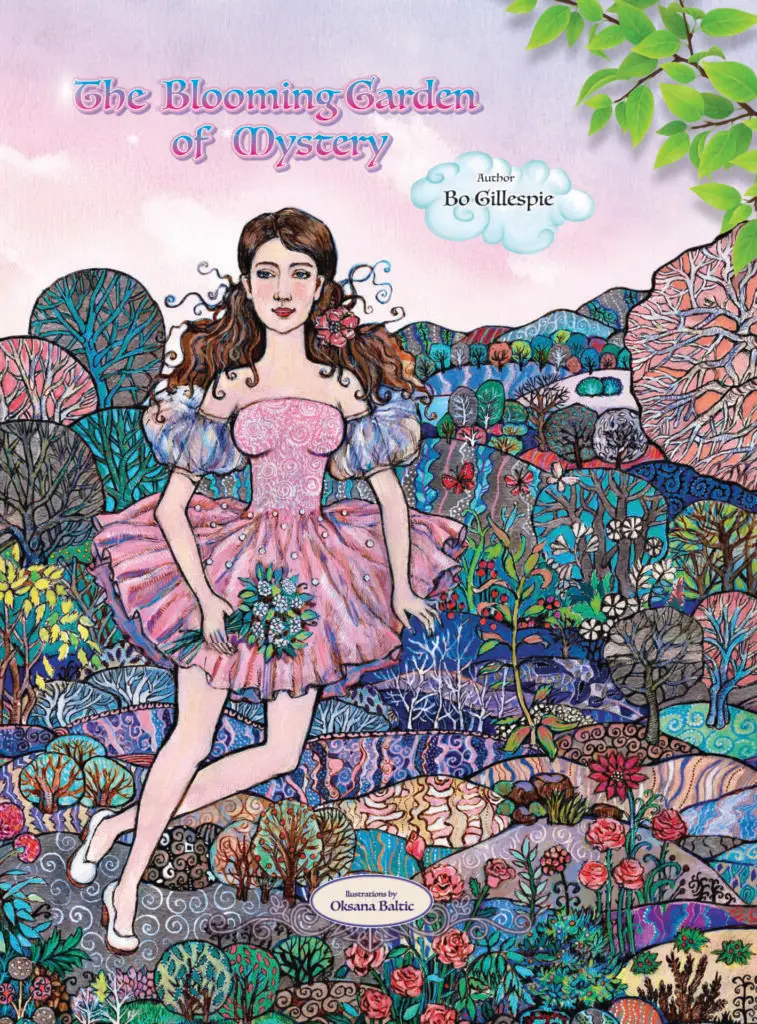
Beautiful illustrations are an important part of a great read-aloud book. They give children another way to experience a story, spark their imagination, and help them discover details they might otherwise miss.
One of the best things about a physical book is that children can look at a picture for as long as they want. They can point to something that catches their eye, touch the page, and return to a favorite illustration again and again.
There is no need to hurry to the next screen or worry about accidentally tapping something. A child can linger over a picture, ask questions, notice a tiny detail, or invent a story of their own about what they see.
As a lover of art and illustrations, I believe this freedom to explore is a valuable part of the reading experience. Children don’t always see a picture the way an adult does. They may notice a little character in the background, an unusual color, or a funny detail that we might overlook.
When we give them time to look, we give them room to be curious.
A physical book also makes it easy to share that discovery. You can point to the same picture, follow your child’s finger across the page, and talk about what you both see. The illustrations become a starting point for conversation, imagination, and connection.
Give Your Child a Break From Screens
Children today spend a great deal of time looking at screens. Phones, tablets, televisions, and computers are part of everyday life, and it can be difficult to find opportunities to step away from them.
Reading a physical book together gives parents and children a simple way to do just that.
When you sit down with a printed read-aloud book, you can put the devices aside and give your child your attention. There are no notifications to interrupt the story and no temptation to switch to another app. You can focus on the words, the illustrations, and the child beside you.
That one-on-one time matters.
You don’t need an elaborate activity or an expensive outing to create a meaningful moment with your child. Sometimes, all you need is a comfortable place to sit and a good book to share.
Reading aloud gives you an opportunity to laugh together, talk about the story, ask questions, and enjoy a quiet moment in a busy day. These experiences can become part of a family’s routine, whether you read together at bedtime, after school, or whenever you have a few minutes to spare.
A printed book offers a welcome opportunity to slow down and reconnect.
Choose a Book That Can Grow With Your Child
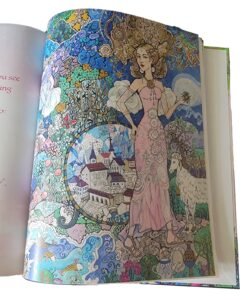
One of the most meaningful things about owning a physical book is that its value can change over time.
A story that delights a young child today may take on a different meaning as that child grows older. The illustrations that once captured their attention might later remind them of a favorite character, a family tradition, or the person who read the story to them.
A book can become connected to a particular time in a child’s life. Perhaps it was the story they asked to hear every night, the book they carried everywhere, or the one that always made them laugh.
As the years pass, those memories can become just as precious as the story itself.
A physical book can also be passed down to the next generation. Imagine giving a beloved book to your grown child to read to their own children. The pages may show signs of years of use, but those signs can be part of the book’s charm. They tell a story of their own.
You can share the same words, illustrations, and reading rituals with another generation. The book becomes a small but meaningful connection between the past and the present.
Digital books can certainly be revisited, but a physical copy can be held, displayed on a bookshelf, and handed from one person to another. It can remain part of a family’s collection long after the original reading experience.
A Physical Book Is Always Ready When You Are
Here is a practical reason to own a physical read-aloud book: you don’t need to remember a password to access the story, and you don’t need an internet connection.
When you want to read, the book is right there.
You don’t have to charge a device, find a signal, sign in to an account, or work out why a digital book won’t open. You simply pick up the book and begin.
In fact, one of my favorite reasons to own physical books is that they give you something to do when the internet goes down.
Think about it. If the Wi-Fi stops working, the power goes out but you still have enough light to read, or your devices aren’t available, a printed book is still there waiting for you. You can sit down with your child and enjoy a story without depending on technology.
There is something reassuring about that kind of simplicity. The book belongs to you, and access to the story doesn’t depend on an internet connection or a digital service.
You can keep a few favorite books within easy reach for a rainy afternoon, a quiet evening, a trip, or an unexpected stretch of time when screens aren’t an option.
A physical book doesn’t need updates or troubleshooting. It is ready whenever you are.
A Printed Book Is More Than a Story
When you buy a hard copy of a read-aloud book, you are buying more than the words on the page. You are choosing an experience you can share with a child.
You are choosing the pleasure of turning pages together, the freedom to explore illustrations, and the opportunity to give your child your undivided attention. You are also choosing an object that can stay with your family, be read again and again, and perhaps one day be passed down to someone new.
Of course, digital books have their place. They can be convenient, portable, and useful in many situations. But convenience isn’t the only thing that matters when choosing a book to read aloud.
Sometimes, the value is in the experience itself.
A physical book invites you to slow down. It gives you and your child something tangible to share. And when you are finished reading, you can put it back on the shelf, ready for the next time someone asks, “Can we read that one again?”
Make Room for More Stories
If you are choosing a read-aloud book for a child, look for a story you will enjoy sharing. Seek out beautiful illustrations, engaging language, a pleasing rhythm, and a message that gives you something to talk about together.
Most importantly, choose a book you will want to return to.
You don’t have to build a huge library all at once. One much-loved book can provide many happy reading moments. Over time, your collection can grow into a shelf of stories associated with laughter, curiosity, comfort, and family memories.
A digital version may offer the same words, but a physical book gives you a lasting object to hold, share, and keep.
And when the internet goes down, you won’t have to search for something to do. You can simply reach for a book, sit beside your child, and turn the first page together.
